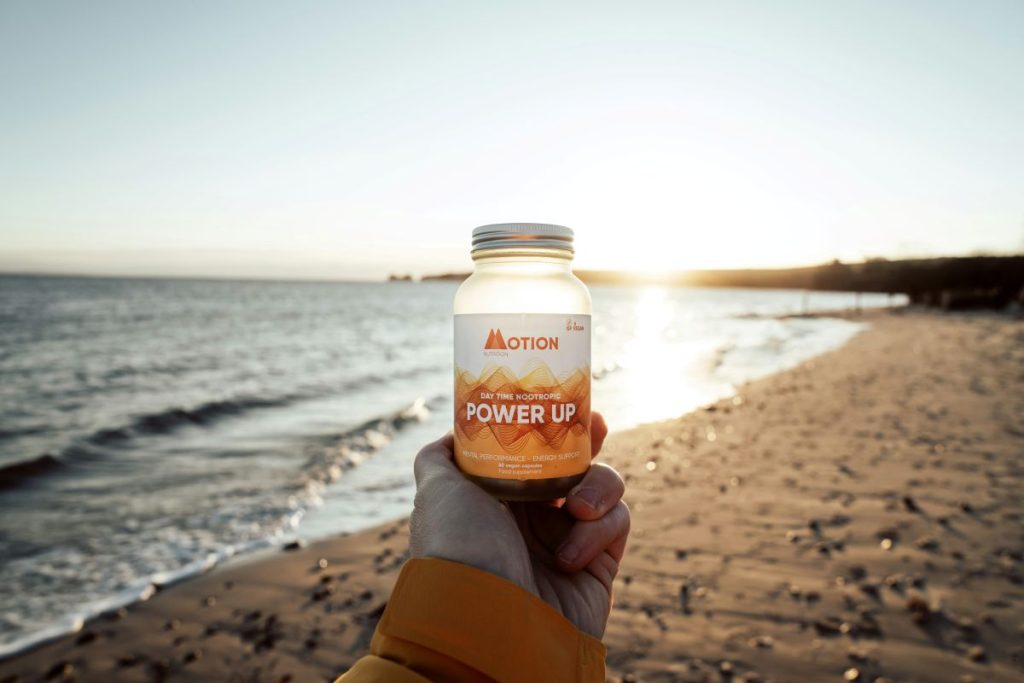
You’ve probably seen the “what I take every morning” content — a countertop covered in 15 bottles, a smoothie with six powders, and the implication that this is what separates energetic people from everyone else.
The reality is simpler. A well-chosen morning routine of 3–4 supplements, timed correctly and matched to your actual needs, will do more for sustained energy than a handful of everything. The key word is “matched” — a stack that works for a vegan office worker is different from one for a 50-year-old runner.
Here’s how to build a morning supplement routine that’s grounded in evidence, not Instagram aesthetics.
Why timing matters
Not all supplements are equal when it comes to timing, and “take with breakfast” isn’t always the right answer:
- Fat-soluble vitamins (D, K, CoQ10) are significantly better absorbed when taken with a meal containing fat — breakfast with eggs, avocado, nuts, or olive oil is ideal
- Iron is best absorbed on an empty stomach or with vitamin C — but causes nausea in many people without food, so taking it with a light breakfast and some orange juice is a practical compromise
- B12 (sublingual) can be taken any time — it dissolves under the tongue and bypasses digestion entirely
- Magnesium is better suited to the evening (supports relaxation and sleep quality), so it deliberately doesn’t appear in this morning stack — save it for before bed
The goal of a morning stack specifically is sustained daytime energy — alertness, focus, and physical stamina through the afternoon without a crash.
The core morning stack
1. Vitamin D3 (+ K2) — with breakfast
Why morning: D3 is fat-soluble and needs dietary fat for absorption. Some research also suggests that taking vitamin D in the morning aligns better with your body’s natural cortisol rhythm (cortisol peaks in the morning and aids vitamin D metabolism), though the evidence here is observational rather than definitive.
Dose: 1000–2000 IU daily for most UK/EU adults with limited sun exposure. The K2 pairing helps direct the additional calcium absorption toward bone rather than soft tissue.
Who benefits most: Almost everyone in the UK/EU from October to March; year-round for office workers, darker-skinned individuals, and over-50s.
Our pick: Terranova Vitamin D3 2000 IU + K2 Complex
→ Full guide: How Much Vitamin D Do You Actually Need?
2. Vitamin B12 — with or before breakfast
Why morning: B12 supports energy-yielding metabolism and neurological function throughout the day. Sublingual methylcobalamin dissolves under the tongue in a couple of minutes and doesn’t need food for absorption, so you can take it while the kettle boils.
Dose: 1000mcg is a standard supplemental dose — well above the RNI, but B12 is water-soluble with no known toxicity at this level, and higher doses compensate for the fact that absorption efficiency drops sharply as dose increases.
Who benefits most: Vegans and vegetarians (essential), adults over 50, anyone on long-term metformin, people with persistent fatigue and brain fog.
Our pick: Solgar Methylcobalamin B12 1000mcg
→ Full guide: Vitamin B12 Deficiency Symptoms & Who’s at Risk
3. CoQ10 — with breakfast
Why morning: CoQ10 supports cellular energy (ATP) production, and like vitamin D, it’s fat-soluble — take it with a meal containing fat. Some people report that taking CoQ10 in the evening interferes with sleep; while this isn’t consistently shown in studies, morning timing avoids the issue entirely and aligns with when you need energy most.
Dose: 100–200mg daily. The higher end is more common in studies showing benefit.
Who benefits most: Adults over 35–40 (natural CoQ10 production declines from this age), anyone on statin therapy, people with high training volumes.
Our pick: Solgar Vegetarian CoQ-10 200mg
→ Full guide: CoQ10 Benefits for Energy: What the Science Says
4. Iron (conditional) — with breakfast + vitamin C
Why morning: Iron supports oxygen transport and directly contributes to reducing tiredness and fatigue (EFSA-authorised claim). Morning timing works because iron absorption is influenced by your body’s circadian regulation of hepcidin (a hormone that controls iron uptake), which tends to be lower earlier in the day.
Critical caveat: Only include iron in your stack if you have a confirmed deficiency via blood test. Unlike the other three supplements above, iron is not something to take “just in case” — unnecessary supplementation can cause constipation, nausea, and long-term iron overload.
Dose: Follow your GP’s guidance; typical supplemental doses for mild deficiency are 20–25mg elemental iron daily in bisglycinate form.
Absorption tip: Pair with vitamin C (a glass of orange juice or a vitamin C capsule) and avoid taking iron at the same time as tea, coffee, or calcium supplements — all of which reduce absorption.
Our pick: Solgar Gentle Iron Bisglycinate + Solgar Vitamin C 1000mg
→ Full guide: Iron Deficiency Symptoms, Causes & Sources
Sample morning routine
Here’s what this actually looks like in practice:
Wake up: → B12 sublingual (under the tongue while you get ready — no food needed)
Breakfast (with some fat — eggs, avocado, nuts, butter): → Vitamin D3 + K2 → CoQ10 → Iron + vitamin C (only if deficiency confirmed)
Total time added to your morning: about 30 seconds.
What about the evening?
This stack is intentionally morning-focused. Two supplements are better suited to evening use and pair well as a complement:
- Magnesium bisglycinate — supports relaxation, muscle recovery, and sleep quality. Take 1–2 hours before bed. → Full guide
- Ashwagandha — if your fatigue is stress-driven, ashwagandha in the evening can support cortisol regulation and sleep onset. Some people prefer morning dosing; experiment with both.
Together, the morning energy stack + evening recovery pair covers the six nutrients most commonly linked to fatigue in the UK/EU population.
What NOT to include in a morning stack
Caffeine supplements — if you drink coffee or tea in the morning, adding a caffeine pill on top doesn’t improve energy, it just adds jitters and tolerance buildup. Caffeine masks fatigue; it doesn’t resolve it.
“Energy blend” multivitamins — these typically contain B vitamins and vitamin C at moderate doses mixed with proprietary herbal blends at sub-clinical doses. You’ll get more benefit from the targeted approach above than from a catch-all formula.
Zinc at the same time as iron — zinc and iron compete for the same absorption pathway. If you take both, separate them by at least 2 hours or take zinc with your evening meal instead.
How to know which of these YOU actually need
The stack above is a template, not a prescription. A vegan who sleeps well doesn’t need ashwagandha but absolutely needs B12. A 55-year-old on statins benefits from CoQ10 more than a 25-year-old athlete. A woman with heavy periods might need iron as her top priority while vitamin D is secondary.
Rather than adopting someone else’s routine, our AI analysis looks at your specific diet, activity, sleep, and health concerns and recommends the 3–4 supplements most relevant to your profile — with timing guidance.
FAQ
Can I take all of these at once with breakfast? D3, CoQ10, and B12 can all be taken together without interaction issues. Iron is the only one that needs attention — avoid taking it alongside zinc or calcium, and pair it with vitamin C. Taking the whole morning stack with a fat-containing breakfast is fine.
How long before I notice a difference? B12 and CoQ10 can show subjective improvements in 1–2 weeks. Vitamin D typically takes several weeks to raise blood levels meaningfully. Iron takes 4–8 weeks to rebuild stores. Don’t judge the stack after 3 days — give it a consistent 30-day trial.
Is this safe to take long-term? At the doses listed, yes — D3, B12, and CoQ10 are well-tolerated for long-term daily use. Iron is the exception: once your ferritin levels normalise (confirmed by a follow-up blood test), you should reassess with your GP whether ongoing supplementation is needed.
What if I already take a multivitamin? Check the label for overlap — particularly vitamin D and B12. If your multivitamin already contains 1000 IU of D3, you don’t need a separate D3 supplement on top. Most multivitamins contain little or no CoQ10, so that’s usually safe to add.
Do I need to take these with food? D3, CoQ10, and iron — yes, with a meal containing some fat (and vitamin C for iron). B12 sublingual — no, it absorbs through the mucous membrane under the tongue regardless of food.
Sources & Further Reading
- NHS — Vitamins and minerals
- NIH Office of Dietary Supplements — Vitamin D, Vitamin B12, Iron
- EFSA — EU Register of authorised health claims
- Tardy AL et al. (2020) — Vitamins and Minerals for Energy, Fatigue and Cognition (Nutrients, 2020)
- Examine.com — CoQ10, Vitamin D, Ashwagandha
This article is for general educational purposes only and is not medical advice. Always consult a GP before starting iron supplementation or if fatigue persists despite dietary and lifestyle changes.
As an Amazon Associate, Nutralyze earns from qualifying purchases. Affiliate relationships do not influence which nutrients we recommend.